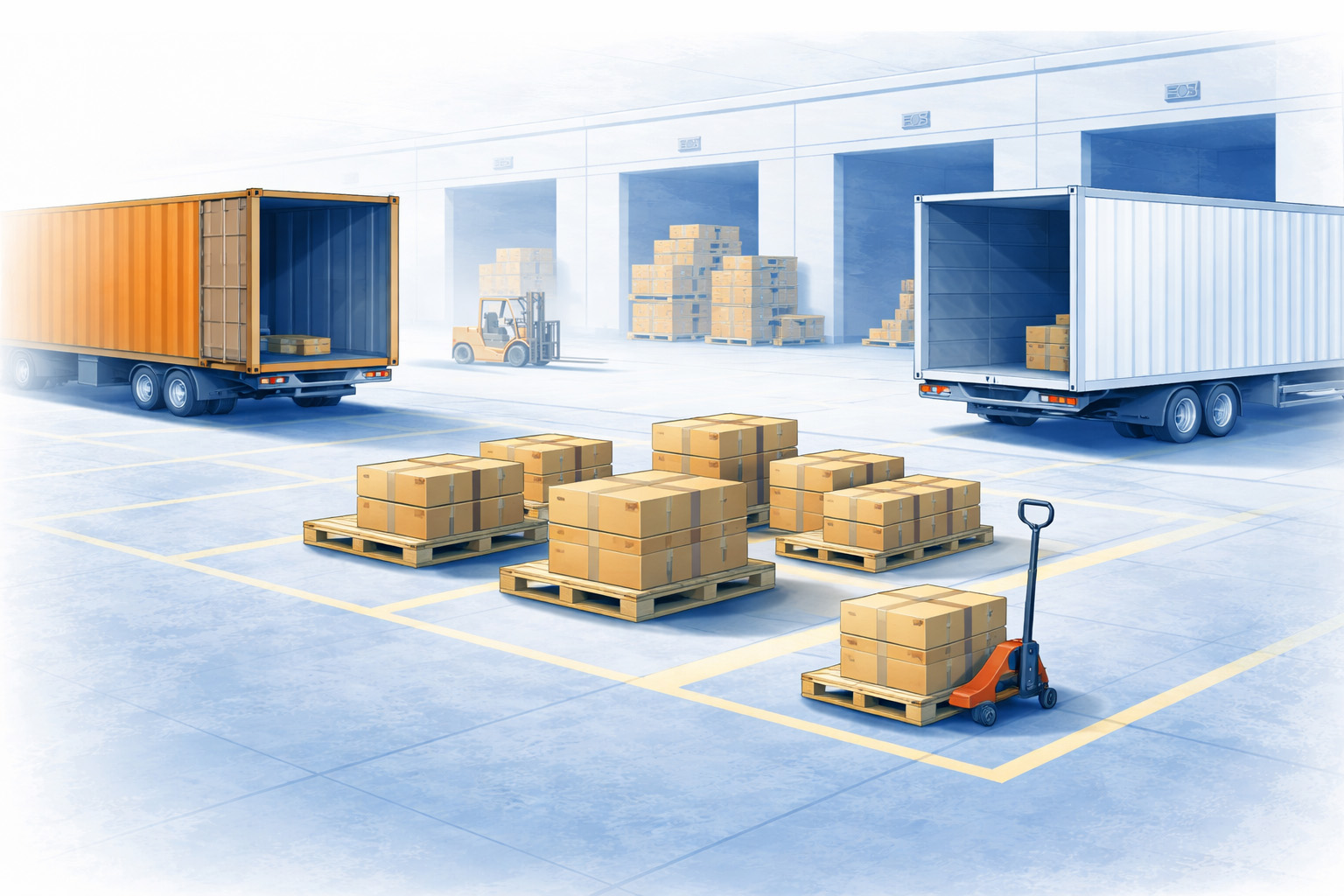
The Handoff Gap: Why Transload and Crossdock Delays Get Worse Downstream
Transload and crossdock delays get worse downstream when weak warehouse handoffs create rework, slower staging, weaker readiness, and growing pressure across transportation, fulfillment, and customer-facing operations.
Why Transload and Crossdock Problems Start After Container Arrival
In our previous article, The Hidden Cost Behind Transload and Crossdock Warehouse Operations, we showed how freight can arrive at the warehouse and still fail to move forward cleanly. The container is in. The freight is present. But the operation is not yet ready for what comes next.
That was the beginning of the problem.
This is where the hidden cost stops hiding.
What first looked like a warehouse slowdown now starts showing up in more expensive ways. The freight is still not fully staged. Outbound timing starts slipping. Rework begins eating time. The next move becomes less certain. What should have been a controlled transition starts creating pressure across the rest of the operation.
This is where many teams realize the problem was never just delay.
The deeper issue is that the handoff was weak from the beginning. Freight changed locations, responsibility, and condition, but the next stage was never fully secured. That is when downstream strain begins to build. A warehouse issue becomes a coordination issue. A timing issue becomes a customer issue. And what looked manageable at first starts spreading into everything that depends on the next move being ready.
That is why this stage matters so much.
When transload and crossdock operations are not fully aligned, the cost does not stay at the dock. It moves downstream into scheduling, fulfillment readiness, transportation flow, and customer-facing performance. By the time the operation feels the full weight of the problem, the damage has already started multiplying.
This is where the handoff gap begins to show itself.
What the Handoff Gap Means in Transload and Crossdock Operations
The handoff gap is not a technical phrase most customers use. But they know exactly what it feels like when they are stuck inside it.
It is the space between one step and the next where freight is present, but progress is still not secure.
The container was unloaded. The product is in the warehouse. The next move should be getting closer. But instead, the operation starts drifting into uncertainty. No one fully trusts the timing. The freight is not fully staged. The next destination is not fully prepared. The work is happening, but the transition still feels loose.
That is the handoff gap.
You can also think of it as a broken freight transition. The freight changed places, but it did not cleanly change status. It moved out of the container, but it did not fully move into readiness. It reached the warehouse, but it did not fully move into control.
That is why this problem is so difficult to spot early.
On paper, everything can look like it is moving. In reality, the operation is entering a weaker state between steps. Responsibility is changing. Product condition is changing. Timing is changing. And if those changes are not tightly managed, the gap between stages starts widening.
This is where the operation starts losing strength in ways that are easy to miss at first.
Not through one dramatic collapse, but through small disconnects that keep weakening the transition. A pallet is not rebuilt correctly. Verification is still incomplete. Routing is still being decided. Staging is not aligned with the next outbound need. Nothing feels disastrous on its own. Together, they create a broken handoff the rest of the operation now has to absorb.
That is what makes the handoff gap so expensive. It hides inside ordinary warehouse activity until the downstream consequences make it impossible to ignore.
For a broader view of this logistics stage, visit the Transload & Crossdock Warehouse Services guide page.
How Small Transload and Crossdock Problems Turn Into Bigger Delays
This is where the problem starts changing shape.
At first, the gap between steps can look minor. A little more staging is needed. Verification is still catching up. A pallet has to be rebuilt. Routing is not fully locked yet. None of that sounds severe on its own.
That is exactly why so many teams underestimate it.
We have encountered this pattern many times with freight forwarders and import teams that needed more stable results. At first, the issues can look routine enough to dismiss. In many warehouse operations, they are treated as normal friction.
But that is where the real damage starts hiding.
The first invoice may still look smaller. Management may still think the operation is saving money. The team may even believe they can compensate by working a little harder and pushing through the disruption.
That is the trap.
The workload is no longer just growing. It is starting to compound.
Small handoff problems rarely stay small. They begin inside ordinary warehouse activity, then start spreading into the next layer of execution. What first looked like a minor intake issue becomes extra handling. Extra handling becomes slower staging. Slower staging pushes outbound timing. Outbound timing creates pressure on transportation, fulfillment, or customer delivery expectations.
Now the operation is no longer absorbing one small issue. It is absorbing a chain reaction.
This is how broken freight transitions become bigger operational problems. The freight is still moving, but it is moving under strain. Teams start making reactive decisions to keep things going. Warehouse labor gets pulled into rework. Scheduling gets tighter. Product readiness becomes less certain. What should have been a controlled transition starts becoming a series of adjustments no one wanted to make.
And this is where the cost starts becoming harder to contain.
The issue is no longer just that one step fell behind. The issue is that every downstream step now has to compensate for it. A loose handoff at the warehouse starts creating pressure in places that were depending on clean execution. The farther the operation moves forward without regaining control, the more expensive that early weakness becomes.
That is why these problems are so easy to dismiss too early and so difficult to clean up later.
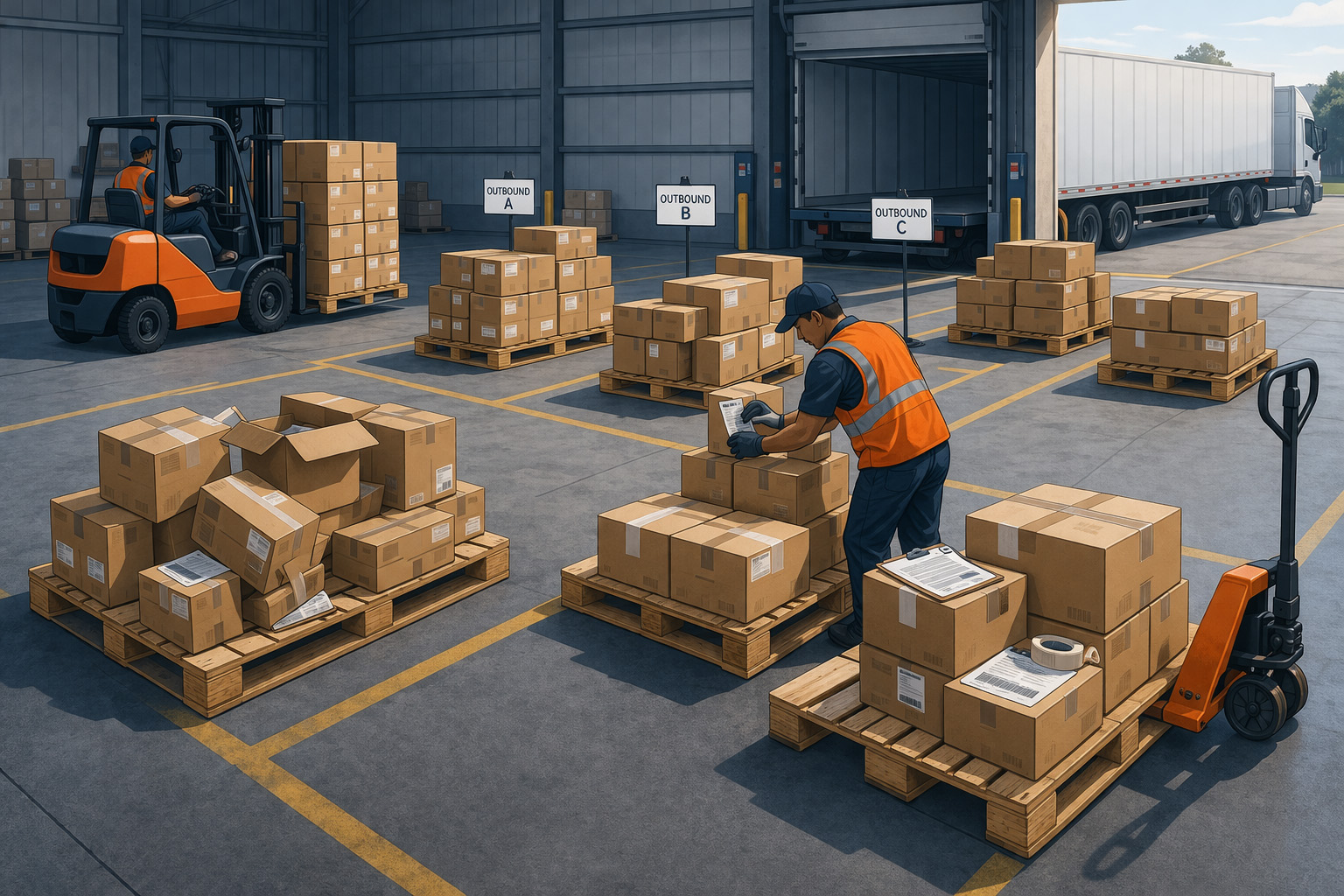
How Transload and Crossdock Delays Spread Beyond the Warehouse
This is the point where the operation starts feeling the damage in more than one place.
What began as a weak handoff inside the warehouse now starts pushing into everything that depends on the next move being ready. Outbound timing becomes less reliable. Fulfillment readiness starts slipping. Transportation planning gets tighter. Teams that were expecting clean forward movement now have to work around uncertainty instead.
This is where the strain starts becoming visible.
Freight that should have been ready for the next stage is still being adjusted, reworked, or staged again. Transportation schedules begin reacting to warehouse lag. Fulfillment teams start working with less certainty around product readiness. Customer-facing expectations get closer to the point of disruption.
And that is what makes this stage so expensive.
The problem is no longer just that time was lost at one point in the process. The problem is that weaker control at the handoff is now creating pressure across multiple downstream functions at once. What should have been a clean warehouse transition starts becoming a broader execution problem.
We have seen this with operations that looked stable on the surface. The freight was received. The warehouse was active. Teams were moving. But downstream performance was already getting weaker because the transition between stages had not been fully secured.
That is why transload and crossdock delays do not stay isolated for long.
When handoffs are loose, the downstream operation starts carrying the cost. Transportation absorbs it. Fulfillment absorbs it. Customer timing absorbs it. And by the time the business clearly feels the full weight of the issue, the damage is already moving beyond the warehouse floor.
This pressure often begins even earlier at the container receiving warehouse, where freight first enters the warehouse side of the operation.
Why the Real Risk in Transload and Crossdock Is Loss of Control
By this point, the problem is no longer just delay.
The freight arrived. The warehouse received it. Work is happening. But the operation is no longer moving with the level of control the next stage depends on. That is the real risk.
What started as a weak transfer point has now become something more serious. Timing is less dependable. Readiness is less certain. Teams are reacting more than directing. The farther the operation moves without regaining control, the harder it becomes to protect everything downstream.
This is where many companies finally realize they are not dealing with a warehouse inconvenience. They are dealing with a control problem.
And control problems do not stay small for long.
When freight keeps moving through disconnected handoffs, the business starts paying for it in more than one way. It pays through slower execution. It pays through rework. It pays through weaker scheduling, less confidence, and growing pressure on every team that depends on the next move being ready.
That is why the handoff gap matters so much.
It is not just the space between two logistics steps. It is the point where the operation either keeps its structure or starts losing it. And once that structure weakens, every downstream stage becomes harder to protect.
The next question is no longer whether the damage is real.
The next question is what stronger execution looks like when the handoff is finally under control.
That is also why Warehouse Receiving & Inventory Control matters so much to the broader operation. Cleaner receiving discipline helps protect what happens next.
In the next article, How EOS Transload and Crossdock Services Turn Arrival Into Forward Progress, we will shift from failure to forward progress and show how transload and crossdock operations can support cleaner transitions, better readiness, and more predictable movement when the warehouse side is built to execute with control.
Frequently Asked Questions About Transload and Crossdock Delays
What is the handoff gap in transload and crossdock operations?
The handoff gap is the space between one logistics step and the next where freight is physically present, but progress is still not fully secure. In transload and crossdock operations, this often happens when freight has been unloaded but is not yet fully staged, verified, routed, or prepared for the next move.
Why do transload and crossdock delays get worse downstream?
Transload and crossdock delays get worse downstream because the problem does not stay in one place. A weak handoff can lead to extra handling, slower staging, weaker fulfillment readiness, transportation pressure, and customer-facing disruption across the rest of the operation.
What causes weak warehouse handoffs after container arrival?
Weak warehouse handoffs often begin when freight changes location, condition, and responsibility at the same time without strong coordination. Common causes include incomplete verification, poor staging, pallet rebuilds, unclear routing, rework, and weak preparation for the next outbound move.
Why do freight problems start after container arrival?
Freight problems often start after container arrival because the container being unloaded does not mean the freight is ready for the next move. Product may still need to be sorted, verified, staged, rebuilt onto pallets, or routed before transload and crossdock operations can move it forward cleanly.
Why is warehouse staging so important in transload and crossdock operations?
Warehouse staging is important because it helps prepare freight for its next outbound move. If freight is not staged correctly, timing becomes less reliable, rework increases, and downstream transportation or fulfillment teams may be forced to react instead of move with control.
What does freight readiness mean in transload and crossdock operations?
Freight readiness means the product is no longer just in the warehouse, but actually prepared for what comes next. That can include sorting, palletization, labeling, verification, staging, and alignment with outbound transportation or fulfillment needs.
Why do small warehouse problems become bigger operational problems?
Small warehouse problems become bigger operational problems because each weak step pushes pressure into the next one. What looks minor at first can turn into slower outbound timing, extra labor, fulfillment delays, transportation disruption, and less confidence across the operation.
How do weak transload and crossdock handoffs affect fulfillment?
Weak transload and crossdock handoffs affect fulfillment by reducing product readiness before orders need to move. If freight is still being sorted, relabeled, staged, or reworked, fulfillment teams may have less certainty around inventory availability and timing.
How do transload and crossdock delays affect transportation planning?
These delays affect transportation planning by making the next move less predictable. If freight is not staged and ready on time, trucks, schedules, routing decisions, and outbound coordination all become harder to manage cleanly.
Why do some businesses underestimate transload and crossdock problems?
Many businesses underestimate these problems because the first signs often look routine. A little more staging, some rework, or a short delay may seem manageable at first, but the workload can compound quickly once multiple downstream functions start absorbing the strain.
What is the real risk behind disconnected freight handoffs?
The real risk is loss of operational control. Once freight keeps moving through weak transitions, the business starts paying through slower execution, rework, weaker scheduling, less readiness, and growing pressure on every team that depends on the next move being secure.
Why is operational control so important in warehouse handoffs?
Operational control matters because warehouse handoffs affect everything that follows. When freight is received, staged, and transferred with stronger control, the business protects readiness, timing, accountability, and downstream execution.
Continue the Transload and Crossdock Guide
Continue to the next transload and crossdock article, or return to the full pillar guide for related warehouse logistics resources.
Discover more from Enterprise Order Solutions
Subscribe to get the latest posts sent to your email.