
EOS Knowledge Guide for Freight Forwarders & Importers
Transload & Crossdock Warehouse Services
Learn how freight moves through transload and crossdock warehouse operations after container arrival, and why these handoff stages shape domestic transportation, inventory readiness, and downstream execution.
For freight forwarders and importers, the work does not stop when freight reaches the warehouse. Once containers are received, cargo may still need to be unloaded, sorted, palletized, staged, verified, redirected, or prepared for domestic transportation before the next move can happen cleanly.
This section of the EOS Knowledge Guide explains how transload and crossdock warehouse services support these critical handoffs, where momentum often begins to break down, and what logistics teams should understand when freight conversion becomes the next operational priority.
What You’ll Learn in This Section
These guides are designed for freight forwarders, importers, and logistics teams managing freight conversion after container arrival.
- Freight handoff control: how transload and crossdock operations support the transition from container arrival into the next domestic move.
- Operational readiness: why unloading, palletization, staging, and routing discipline matter once freight reaches the warehouse.
- Hidden cost exposure: how poor handoffs create rework, delay, weaker coordination, and downstream logistics drag.
- Domestic transportation support: how transload and crossdock help prepare cargo for onward movement through regional, wholesale, or fulfillment channels.
- Warehouse partner fit: what importers and freight forwarders should evaluate when choosing a warehouse partner for freight conversion work.
Transload & Crossdock Logistics Guides
Start with these guides to understand how freight moves through transload and crossdock operations after container receiving.

The Hidden Cost Behind Transload and Crossdock Warehouse Operations
Learn why freight can still feel stuck after container arrival, and how transload and crossdock operations shape readiness for domestic transportation and downstream execution. Read Article →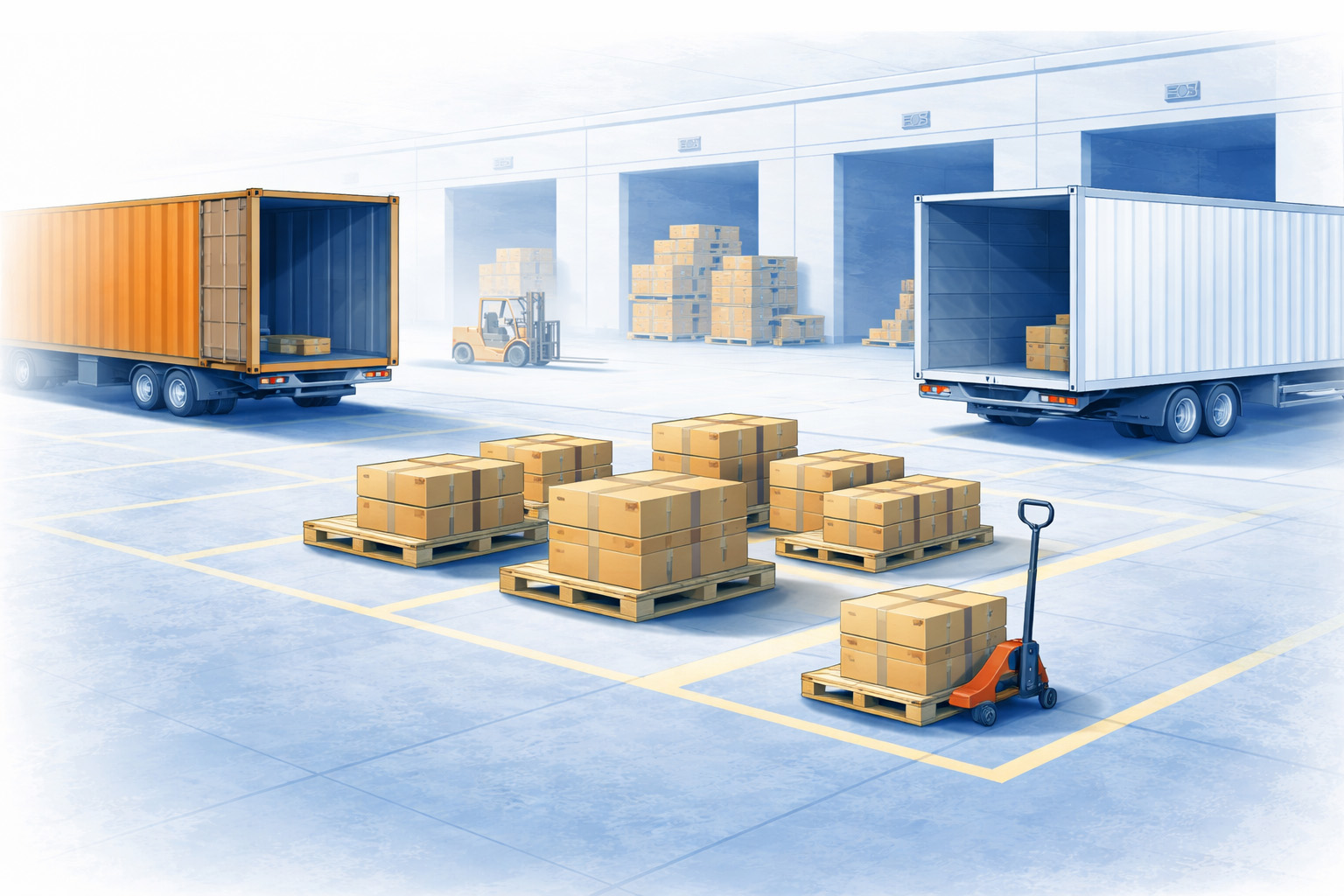
The Handoff Gap: Why Transload and Crossdock Delays Get Worse Downstream
Explore why freight handoffs break down after arrival and how those disconnects create wider downstream delay across transportation, fulfillment, and customer-facing operations. Read Article →
How to Choose the Right Transload and Crossdock Warehouse Partner
See what logistics teams should evaluate when selecting a warehouse partner for freight conversion, outbound readiness, and stronger domestic transport preparation. Read Article →Related EOS Solution
Transload and crossdock operations depend on what happens after freight enters the warehouse. See how EOS supports intake control, unloading discipline, inventory visibility, and organized next-step execution across warehouse receiving workflows.
Explore Warehouse Receiving & Inventory Control